ADVERTISEMENT
Electronics & Tech News
What Are OLED Displays? - Benefits, Usage, and More
In display technology, OLED displays have established themselves as leaders and impress with clear images and vivid colors. OLED stands for Organic light-emitting diodes, which significantly improve over older display technologies like LCD and LED. This article aims to highlight the benefits and applications of OLED technology and illustrate why it has become an essential part of modern devices.
What is an OLED display? Explore further
When we talk about OLED displays, we're referring to a technology that has revolutionized how we interact with electronic devices. OLED stands for organic light-emitting diode and significantly differs from its predecessors, such as LED and LCD technologies. OLED displays use pixels made of organic materials that emit light when an electric current is applied, unlike previous technologies where the pixels required a backlight to illuminate the display. This significant difference is a critical advantage that paves the way for many other benefits of OLED technology.

There's more to OLED screens than meets the eye.
The benefits of using an OLED display are many and extend far beyond mere aesthetics. First, the color accuracy of the OLED range is unparalleled. This is mainly due to the technology's ability to control the emission of each pixel, delivering color accuracy that's superior to all other pixels. This feature is more than just a boon for graphic designers and photographers; even regular users will notice a difference when watching videos or browsing photos. Another advantage is energy efficiency. OLED displays only use power when needed because each pixel emits light. To save power, black or very dark pixels are effectively turned off. This makes OLED technology more environmentally friendly and battery-saving. Finally, the form factor is another crucial advantage. The absence of a bulky backlight allows for slimmer designs, making OLED displays ideal for thin and lightweight devices.
Far-reaching applications of OLED technology
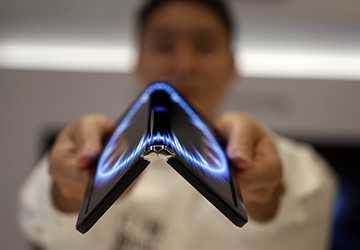
From an application perspective, OLED displays have penetrated almost all areas of consumer electronics. Smartphones were among the first to feature OLED displays, and it's easy to see why. OLED technology's bright, colorful graphics and efficacy make it the perfect choice for devices that require high-quality presentations while maintaining battery life. But this is only part of what is available. OLED technology is becoming increasingly popular in the TV market due to its ability to reproduce deep blacks and vivid colors, delivering an authentic cinematic experience.
In addition, the automotive industry has also begun to realize the advantages of OLED displays. Dashboards in high-end vehicles now feature OLED screens, providing a more transparent and vivid display. Given OLED's efficacy and form factor advantages, the technology is even making its way into wearable devices like smartwatches, where battery life and display quality are critical.
The science behind OLED displays
Understanding the science and technology that drives OLED is critical to appreciating its value. Organic components form the backbone of an OLED screen, which sits between two electrodes, one of which is transparent. When an electric current flows through these layers, the organic material is stimulated to emit light. The term "electroluminescence" describes this phenomenon. One of the main advantages of OLED is that, unlike traditional display technologies, it does not require additional lighting to function.
Advantages of fast response times and refresh rates
Other significant advantages of OLED displays are their excellent response times and refresh rates. Pixels in OLED displays can change states faster than LCDs, making OLEDs ideal for high-speed video, gaming, and other applications where rapid image changes are the norm. This will result in smoother motion and a more immersive experience for users.
Longevity and durability: an emerging issue
Discussing the service life of OLED displays is essential because it is the subject of ongoing research and development. While the organic materials in OLED demos deliver vibrant colors and deep blacks, they also degrade over time. The problem of "screen burn," where static images are semi-permanently burned onto the screen, is one of the challenges facing OLED technology. Manufacturers invest heavily in solving these problems to make OLED displays durable and impressive.
OLED and sustainability: the green side of technology
As we continue to advance in the digital age, the focus on sustainability and environmentally friendly practices has never been greater. Interestingly, OLED technology is well suited to this global priority and offers a variety of environmental benefits that differ from older display technologies. First, OLED displays are exceptionally energy efficient. The ability to control individual pixels means only the required area of the show is illuminated, reducing energy consumption and the device's carbon footprint. This is a vital advantage as the world grapples with climate change and urgently needs energy conservation. Secondly, avoiding the use of heavy metals in the development process of OLED displays is another green milestone. Conventional LCDs often contain hazardous substances such as mercury, which makes their disposal problematic from an ecological perspective.
In contrast, the OLED range contains no such materials, making recycling more accessible and less environmentally harmful. Efficiently emitting and biodegradable organic materials are the focus of current OLED technology development. If this works, it could fundamentally change how we approach the entire cycle of electronic devices from production to disposal. In summary, the sustainability benefits of OLED technology are increasingly difficult to ignore, making it a superior choice today and a responsible choice tomorrow.
Conclusion: The future of OLED displays is always bright
OLED screens represent a technological advancement and are suitable for various applications due to their many advantages. OLED technology applications are growing daily, from smartphones and tablets to televisions and car dashboards. As OLED technology continues to benefit from in-depth research and development, we can expect even more amazing advances in quality, energy efficiency, and new applications. The era of bulky, power-hungry displays may soon be over as stylish, vibrant, and energy-efficient OLED displays continue to take the world by storm.
Related Articles
Electronics & Tech News
October 1, 2026
Top 10 AI Tools for Business Automation

Electronics & Tech News
September 19, 2026
Where to Find the Best Deals on Tech Gadgets Online

Electronics & Tech News
September 12, 2026
Top 10 Futuristic Gadgets and How to Make the Most of Them

Electronics & Tech News
August 24, 2026
Edge Computing Enabling the Next Generation of Internet of Things Innovations
Most viewed
Top 10 Tech Skills in High Demand for 2023
September 28, 2026

Electronics & Tech News
Where to Find the Best Deals on Tech Gadgets Online
September 19, 2026
Electronics & Tech News
Top 10 Must-Have Tech Gadgets for the Modern Digital Nomad
September 12, 2026

Electronics & Tech News
Secret Revealed: What is Your Computer’s Processing Speed?
September 12, 2026

Electronics & Tech News